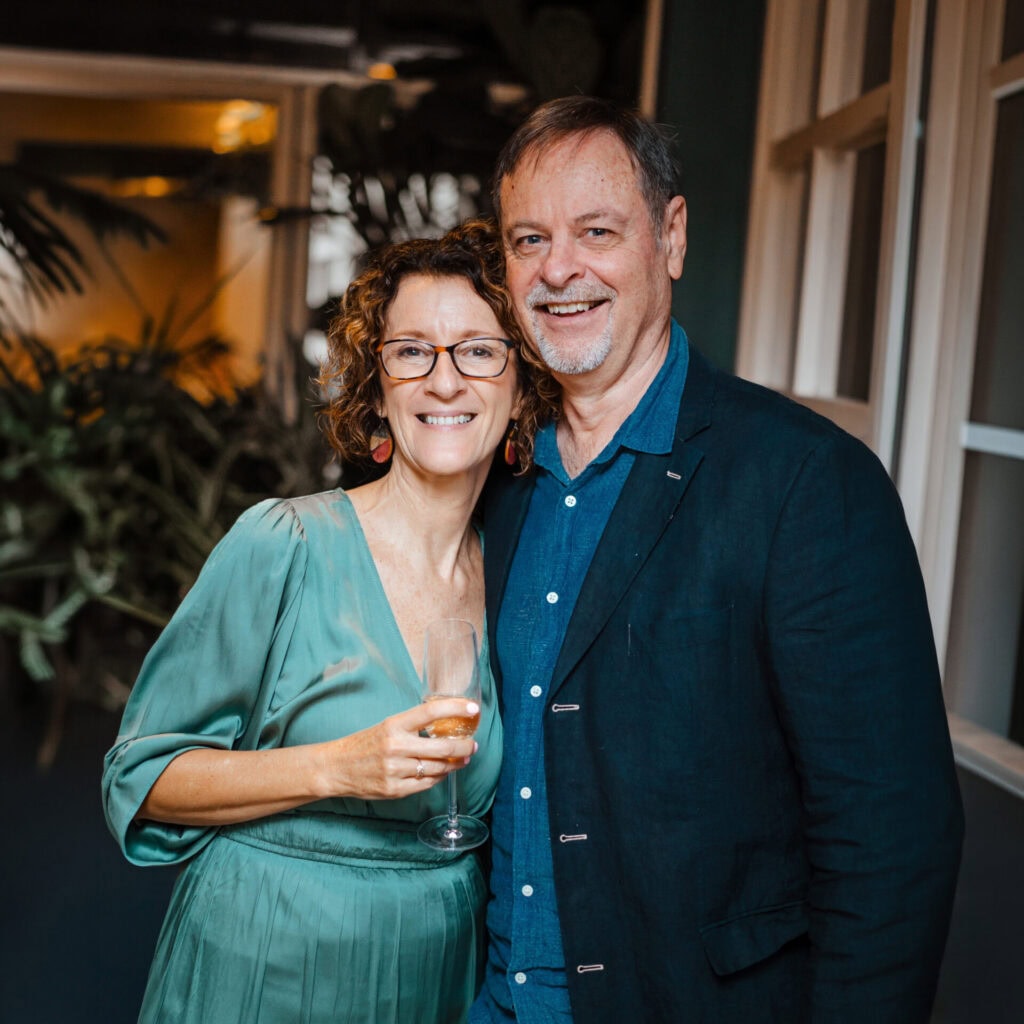

The Anzac Table by Daniel Reynaud and Emanuela ‘Emi’ Reynaud is the first book to explore the food experiences of the Anzacs during the First World War. Food was the crux of wellbeing and the fighting abilities for the AIF, something that the Reynauds explore in depth.
The project burgeoned from research Daniel was doing regarding soldier spirituality. “Being married to a wonderful foodie, I couldn't help noticing all the soldier comments about food! I pointed this out to Emi and she came on board,” says Daniel. As a high school teacher, Emi notes that ANZAC food is a part of the curriculum, and as a follower of food related knowledge she was hooked by Daniel’s quotes from the soldier’s stories. The research process for the book started with reading through over a thousand soldiers’ diaries, memoirs, and letters.
“It was pretty special,” says Daniel about collaborating on the project together. Combining their individual passions made for the perfect recipe for a book of this calibre. Their care and knowledge translate throughout the book with their thoughtful storytelling. “We worked closely, building on each other's feedback to give a voice to the soldiers' food experiences of the First World War. It was quite exciting to feel the synergy as our interests merged”, recalls Emi.
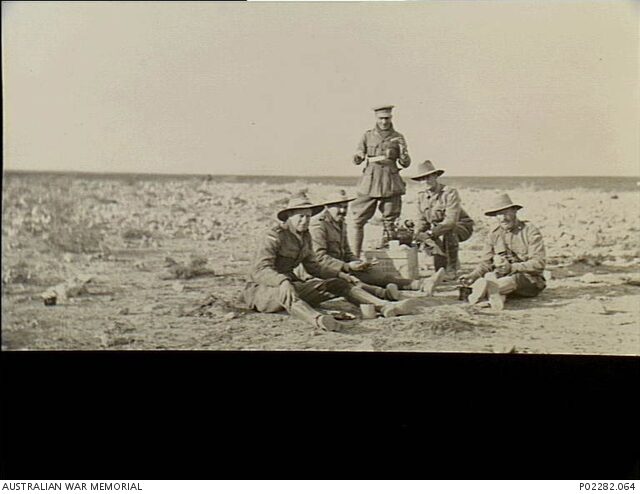
Opening with origins of the Anzac diet, the Reynauds dive into food as culture and how and what foods and beverages defined the Australian diet and by extent, identity in the early 20th century. “Tea was the defining beverage of British culture, which Australians of the time held to with tenacity”, says Daniel. “It was part of their identity. To be British-Australian was to drink tea. The influx of migrants from Europe and the Middle East post World War Two has helped redefine Australia's number 1 brew - it is now coffee, though tea still has an important place in Australian food and social culture. The place of tea reminds us of our British heritage; coffee's place points to the multicultural nature of modern Australia.” The foods the Anzacs ate were stereotypically British. “By comparison, the French ate much more rice and pasta” says Daniel, “and the Germans much more fish. Everyone ate more vegetables than the British.”
The topic of food the Anzacs ate is more nuanced than we think. A lot lies in Anzac mythology; we might believe that while they sat in the trenches, they had a stash of Anzac biscuits and tea waiting for them. Tea? Sure. Anzac biscuits? While acquiring the Anzac name, the Reynauds explored 1,200+ soldiers diaries, memoirs and letters and there are no accounts of the term or even the biscuits that were sent to the soldiers – they were an invention post WWI. Daniel says there are three myths around what the Anzacs ate. While Bully beef and biscuits were a staple for them, Daniel says, “there were a great many other things that they ate, especially through dining out in civilian homes, restaurants and cafes, purchasing food from shops or stealing food to satisfy their desires for more food and more variety. And tea was more important to the soldiers than beer.”
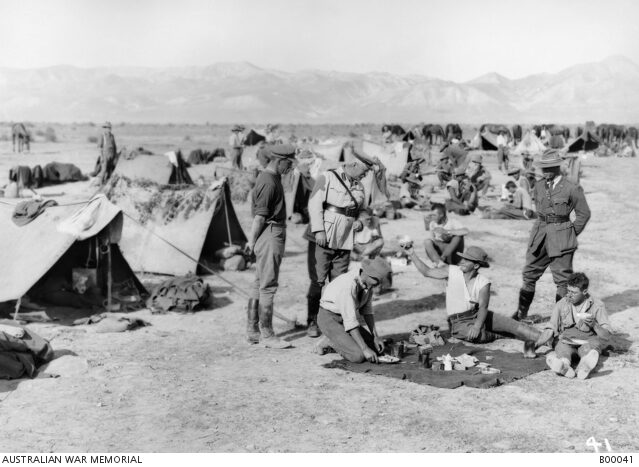
Context was also a major component of soldiers appreciating a meal. A light horseman in Palestine sums it up well, “Someone has wisely said, ‘hunger is a great sauce’ and I can truly say that while travelling in the glorious sunshine here, and sleeping under the stars at night, I have enjoyed a meal of bully and biscuit, with a mug of billy tea, better than any meal I have had anywhere” (p.40, The Anzac Table). “Food is so much more than physical nourishment,” identifies Emi when discussing context and emotional memory. “It is also soul nourishment and community nourishment. Food evokes so many emotions, many of them embedded in our past.” At times meals may have been as simple as bully beef and biscuits, but it was a defining experience shared amongst AIF troops, and something we are still discussing over a century later. Food was a unifier amongst a world war, a source of camaraderie, a moment each day that evoked gratitude for being alive one more day, that gave energy physically and emotionally to keep persisting – hunger, truly is a great sauce.
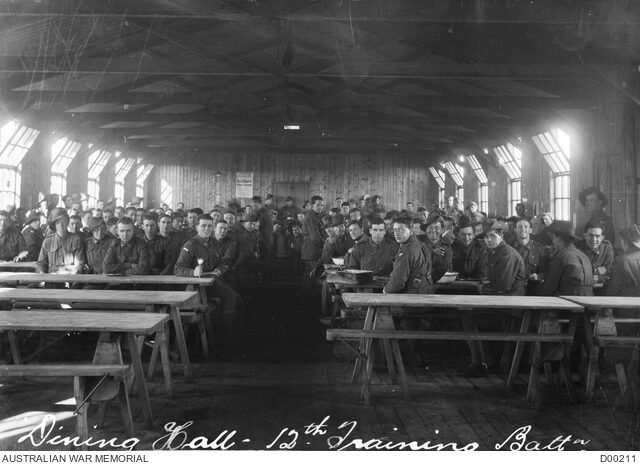
For the Reynauds, food has always played an important role in their own stories. As a Frenchman, food was an important part of Daniel’s upbringing. “The French obsession with food has always been a driver in my worldview”, he says. Emi articulates, “Culture defines food but also food gives culture an identity. Food is the basis through which a culture fosters relationships. The beauty of food is the way it brings people together.”
The Anzac Table is available now in all bookstores.