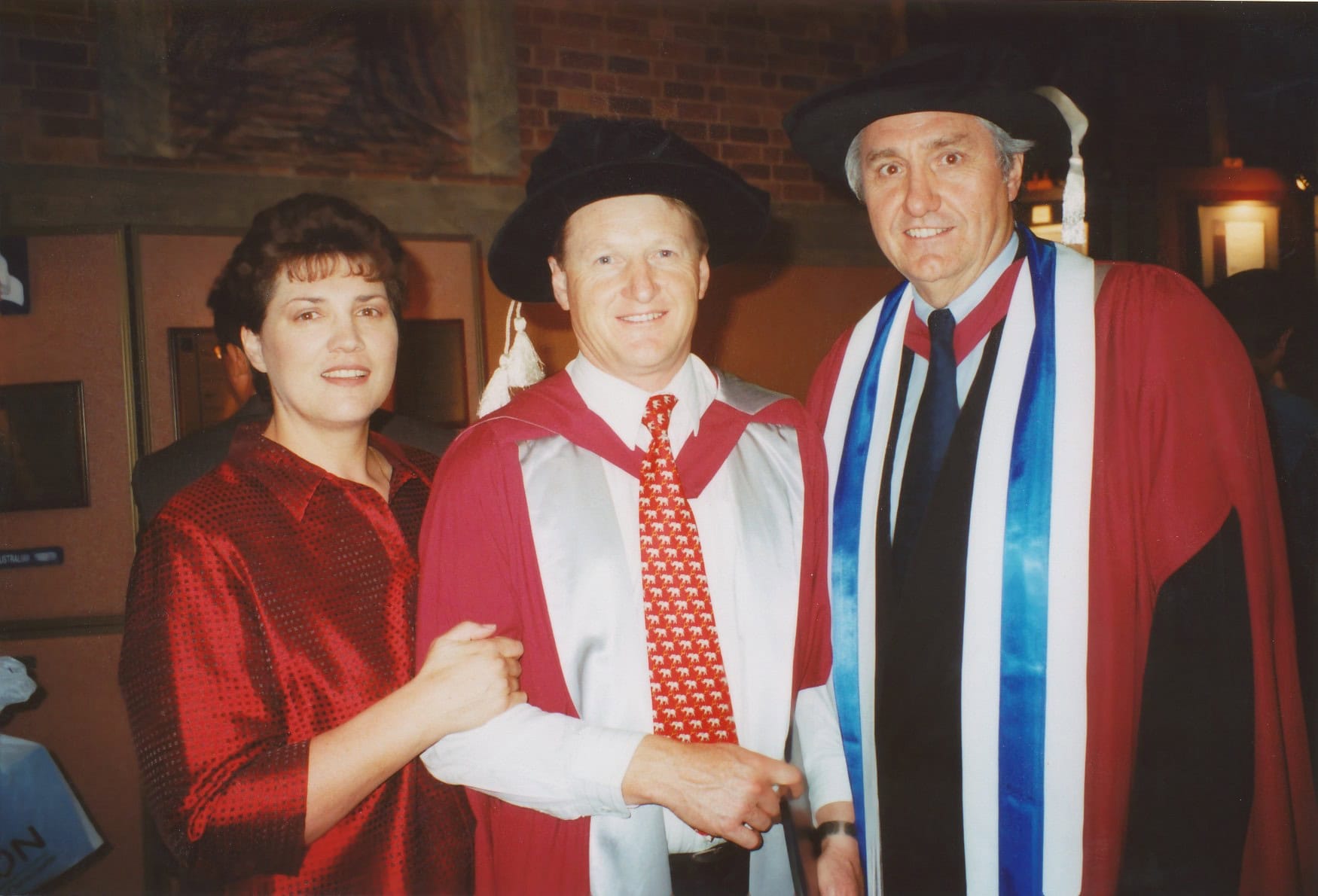
For more than fifty years, Dr Daryl Murdoch has built schools, shaped teachers and opened doors for students across Australia, New Zealand and beyond. Teaching was in his DNA, with a principal for a father, Daryl was the one to follow in those footsteps.
Arriving at Avondale in 1973, he spent three years earning his Diploma of Primary Education and playing every sport on offer, in his words, “you name it, I played it”. The Avondale experience opened many doors and set him up for a career of serving others.
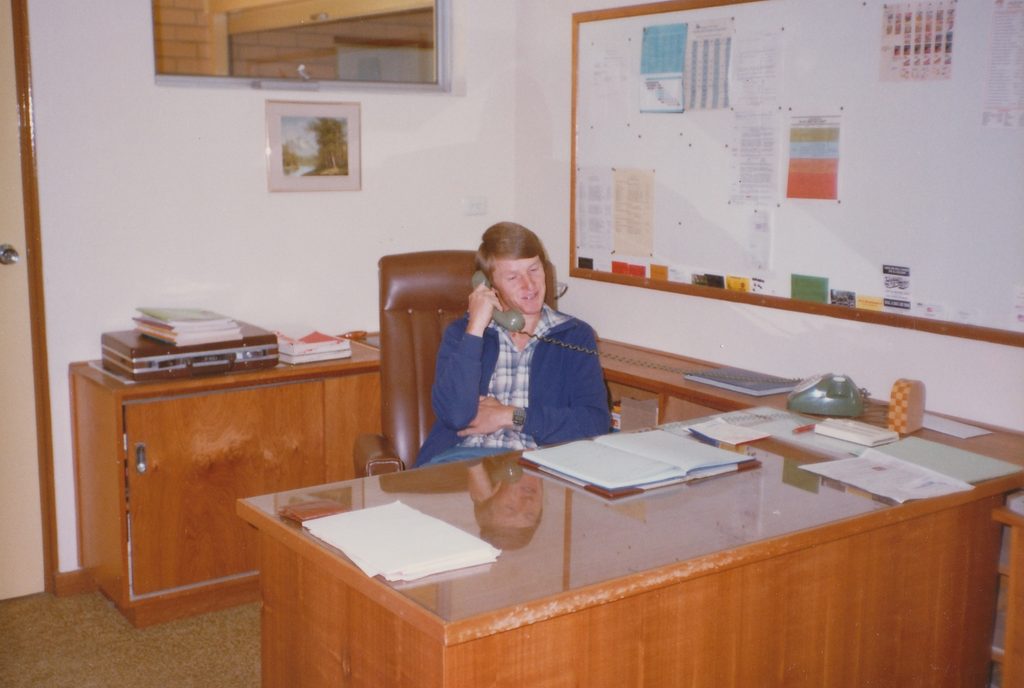
His first job was as the sole teacher and principal at what became Border Christian College in Albury. With just twenty-four students enrolled, Daryl’s plans for expansion with the local community church future-proofed the school’s growth.
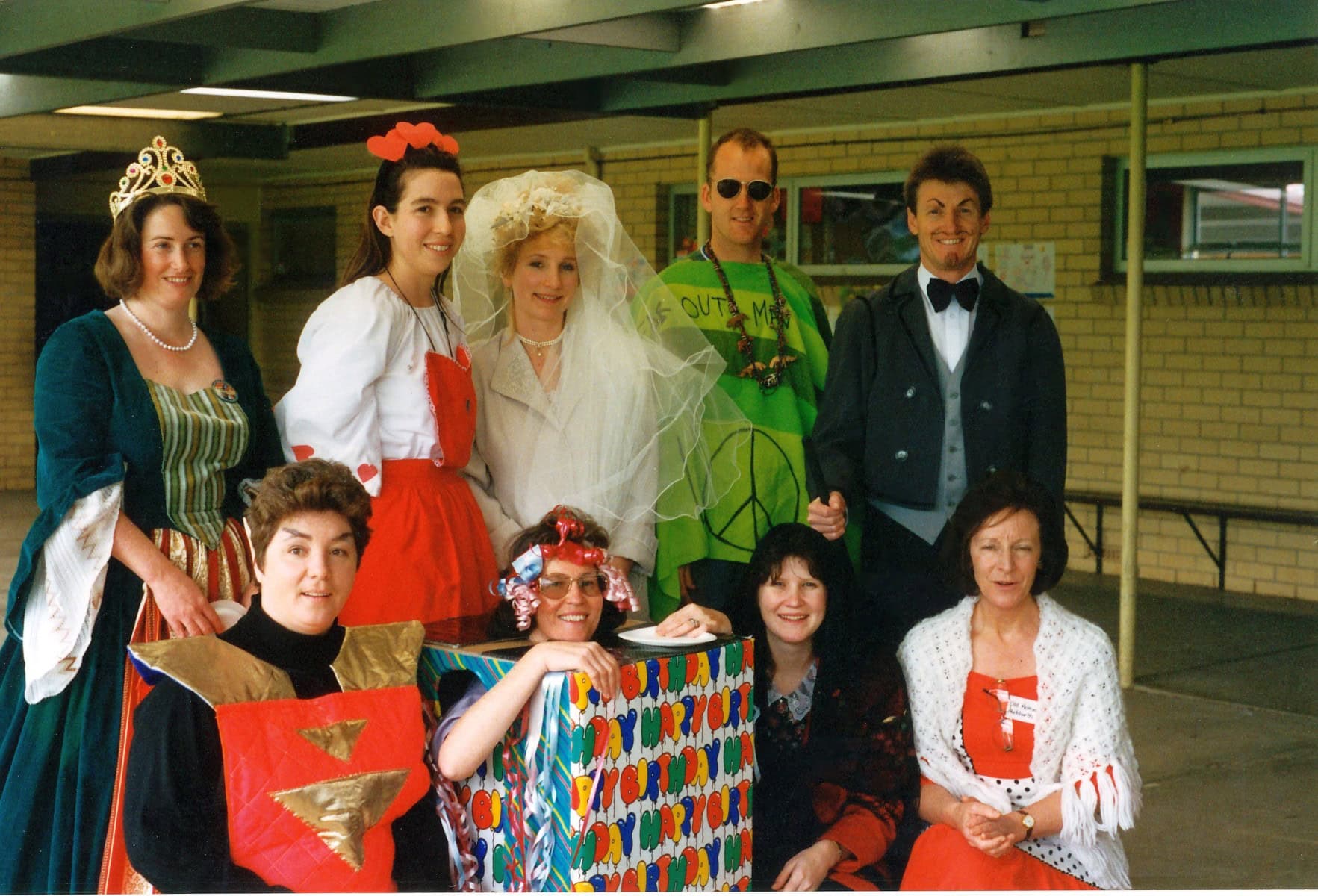
Daryl took another remote opportunity at Narromine Christian School, and after three years, the growing Murdoch family moved back to Daryl’s hometown of Adelaide, where he was appointed principal at what is now Prescott Primary Northern. Over twelve years, enrolments grew from seventy to two hundred students. A highlight was watching his own child complete their primary and secondary schooling there.
In 1996, Daryl was appointed Education Director in New Zealand during a pivotal period of unification for Adventist schools. After four years, he took a well-earned break for PhD studies, focusing on the role of principals in small primary schools in Australia – government, Adventist and Catholic and a topic he knew well after nineteen years as a teaching principal.
Three years later, he was called to Lilydale Adventist Academy, now Edinburgh College, where he also left his mark, rebuilding enrolments and restoring faith and culture at the school.
In 2008, Daryl’s reputation and experience were recognised by the National Director of Adventist Schools Australia, John Hammond, who taught him the ropes and arranged for him to follow the succession after two years, when he was appointed Director.
During his thirteen years at ASA, he made many notable contributions to Adventist Education. Daryl prioritised unifying the quality of our Adventist schools and creating the Quality Adventist Schools improvement program, which was adopted across the South Pacific. He then worked with a team and developed the Encounter Bible program to modernise and recontextualise spirituality within the school system. The program caught the eye of the US conference and was later adopted internationally.
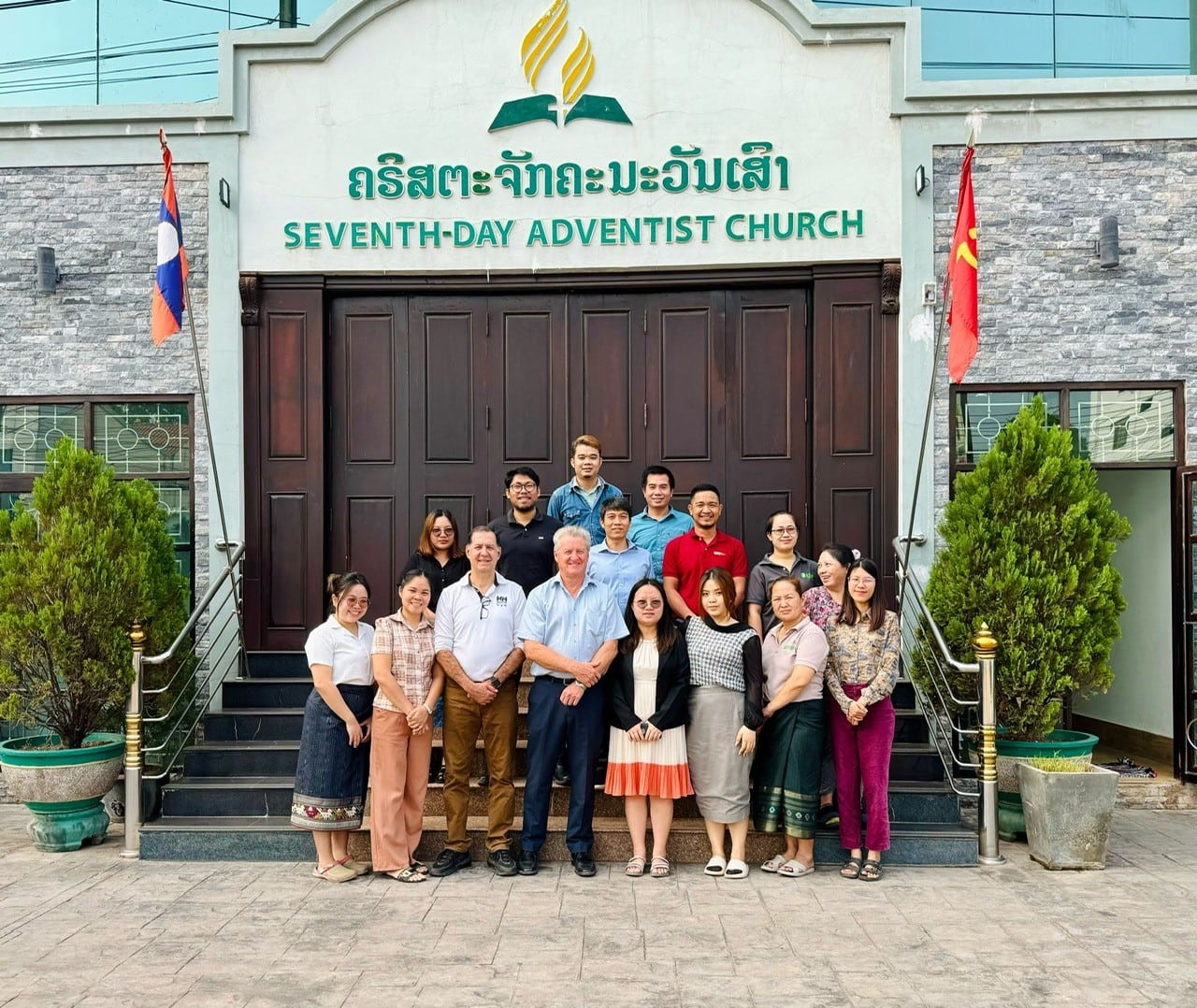
Today, he continues to build education opportunities for students through the Laos Adventist mission.
What began as a humble career of serving his students to help them reach their purpose and make an impact has grown into a legacy of leadership and impact, culminating in Dr Daryl Murdoch being named Avondale University's 2026 Alumnus of the Year.
- Aveline Adams
Professor Darren Morton, Director of Avondale University’s Lifestyle Medicine and Health Research Centre, delivered the opening keynote address at the Psychological Safety Summit, held on the Gold Coast from 8–10 September 2026.
Hosted by the Psychological Safety and Leadership Institute, the Summit brought together leaders and practitioners focused on creating safer and healthier workplaces.
During the Summit, The Lift Project—a social enterprise directed by Professor Morton—was announced as a finalist in the Psychological Safety and Leadership Awards, recognising its work in the workplace wellbeing space. The Lift Project translates research from lifestyle medicine, neuroscience and positive psychology into practical strategies designed to improve wellbeing and help people flourish.
The recognition comes as Professor Morton prepares to deliver the closing keynote address at the Queensland Government’s Work Well Conference Brisbane on 7 October 2026. The conference brings together workplace health and safety professionals, industry leaders and organisations to explore evidence-based approaches for creating safer, healthier and more productive workplaces, with nearly 1000 attendees expected.
These opportunities highlight the growing influence of Avondale University's Lifestyle Medicine and Health Research Centre in translating wellbeing research into practical initiatives that can positively impact workplaces and communities.
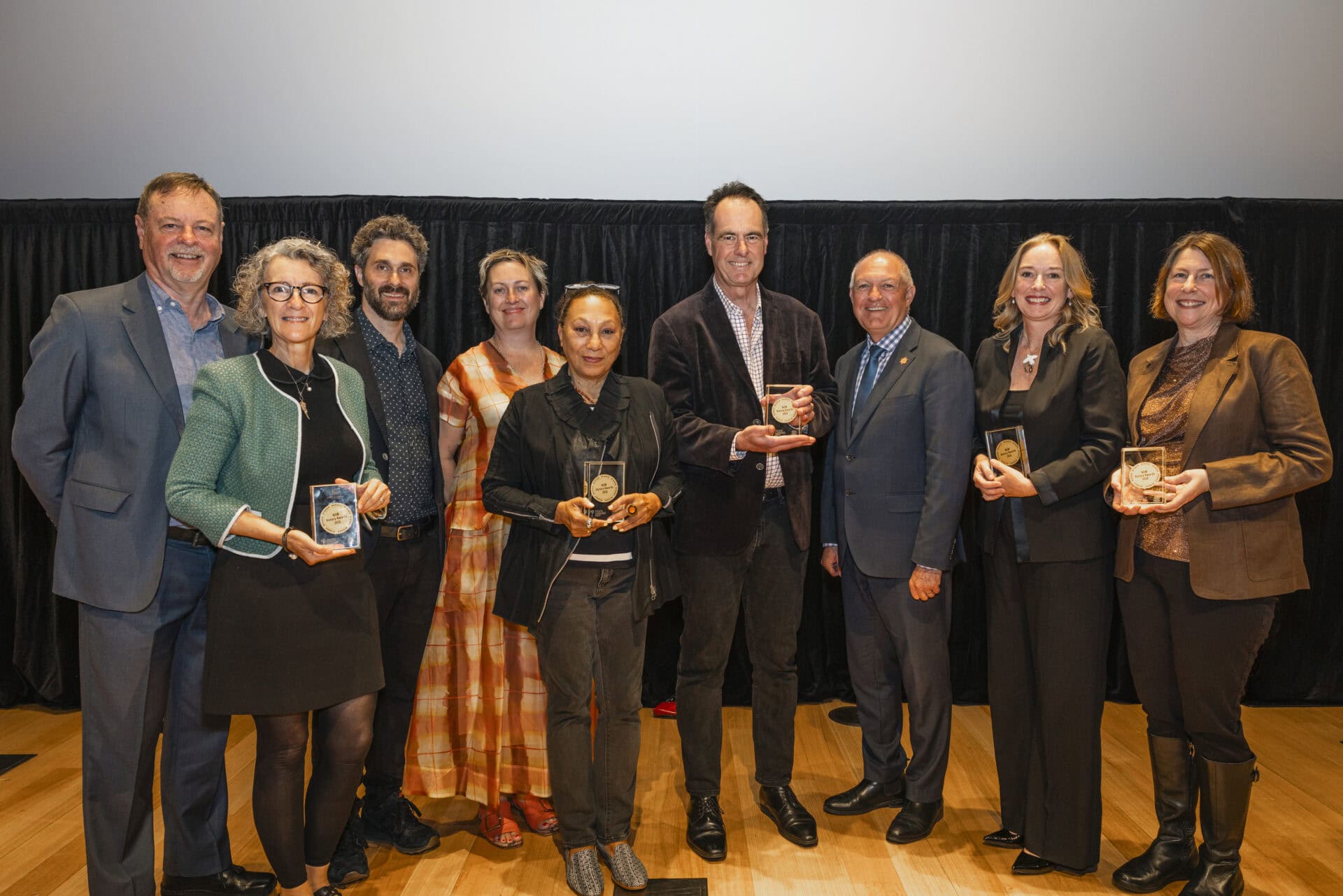
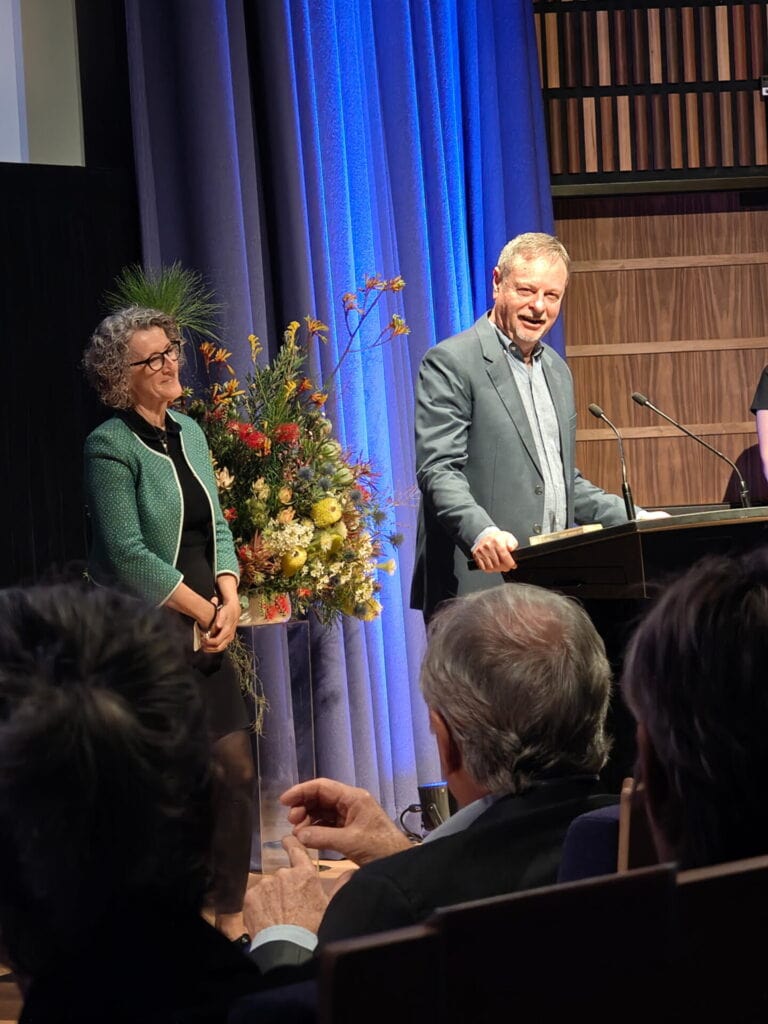
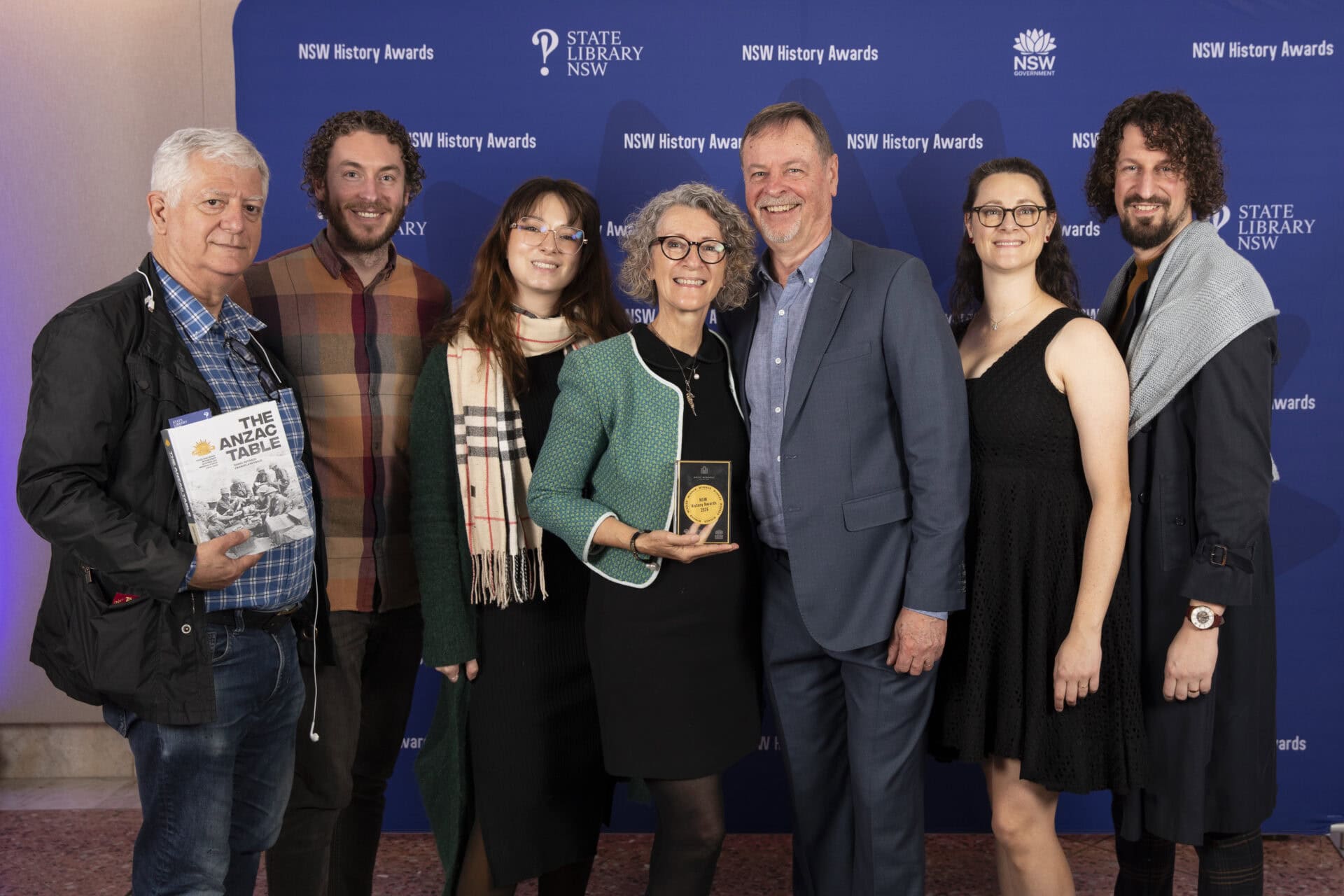
Emeritus Professor Daniel Reynaud and Emanuela "Emi" Reynaud have won the 2026 Anzac Memorial Trustees Military History Award for their book The Anzac Table, which explores the role food played in the lives of Australian and New Zealand soldiers during the First World War. The award, which forms part of the annual NSW History Awards, was announced during History Week at a ceremony at the State Library of NSW on Monday, 7 September.
Announcing the award, the judges said: "This book is an excellent single-volume treatment of a scarcely considered but critical facet of military campaigns, and opens the aperture ever further on our understanding of the AIF. Grounded in thorough archival research and richly illustrated, this well-structured and easily read book achieves the rare feat of being both authoritative and accessible to a wide readership. This book will be a valuable reference work on World War 1 for the historian, museum professional and interested reader."
The award, worth $10,000, is one of six categories in the NSW History Awards, administered by the State Library of NSW in association with Create NSW, with support from the History Council of NSW and the Anzac Memorial Building Trustees. This year's awards drew 208 entries, assessed by 14 judges, with a total prize pool of $85,000 across all categories.
The Anzac Table, published by Hardie Grant, is believed to be the first book to examine the food experiences of Anzac soldiers in depth, drawing on more than 1,200 diaries, letters and memoirs. It traces the origins of the "Anzac diet," unpicks popular myths and examines how food shaped soldiers' wellbeing, identity and sense of community under the pressures of war.
The book grew out of Daniel's earlier research into Anzac spirituality, during which he kept noticing a recurring theme in the soldiers' own writing. "There was no particular moment, just a growing awareness," he says. "Having worked with soldier diaries in the course of researching books on Anzac spirituality, I couldn't help noticing side themes. In particular, the soldiers often wrote about food. Being married to a foodie and hospitality professional, I quickly realised there was scope for a book, given the sheer volume of comments I'd already read." He and Emi went through those diaries and letters together, collecting the comments on food. "We were both surprised to find that soldier food was a topic that was virtually untouched by scholarship," Daniel says. "This was amazing, given how essential nutrition is to the fighting fitness of an army."
Emi wasn't so sure a book was on the cards at first. "As we started reading through the soldiers' memoirs, I thought we would be writing an article for one of the history journals about the way food was experienced in the AIF. I just didn't think there was enough for a book. I kept asking Daniel if he was convinced that there was a book in it," she says. "As we dug deeper, I realised how broad their food journey was and the depth of information on the topic of food. We ended up with a 350-page book. That's a pretty long article!"
The pair's different backgrounds shaped the finished book. Daniel brought his grounding in military history, having already read the diaries and letters of about 1,000 soldiers for his research into Anzac religion and spirituality. This previous research informed how The Anzac Table would be organised around recruiting, army camps, transport ships and life at the front. Emi, who ran her own catering business for years before moving into hospitality education in secondary schools, brought a practitioner's eye to the logistics of feeding an army. She traced the training syllabus used at army cooking schools and measured how inadequate it was in producing properly trained cooks. She also examined the limited, unvaried menus, poor nutrition, and inconsistent hygiene and safety standards that resulted. "Lucky the soldiers also bought extra food, ate with French civilians, stole fruit and vegetables from gardens and ate out in restaurants and cafes," she says. Daniel credits her expertise directly: "The book is much richer in its understanding of wartime food because of Emi's expertise in the area."
Both hope the book will change how people, and especially students, understand the Anzac legend. "As a high school teacher, I dream of our next generation being more informed on the harsh realities and the soldiers' stories, so honestly told, to enrich the knowledge of another area of the Anzac legend that has not been told otherwise," Emi says. Daniel, who has taught the world wars for two decades, sees the book as a corrective to popular ideas about wartime service. "Food is part of the Anzac legend, especially the myth that they lived on bully beef and Anzac biscuits. But both of these need serious qualification if we are to understand the real experience of the Anzacs," he says. "Demythologising is one of the aims of this book."
The Anzac Table took out the award ahead of two other shortlisted titles: Australia's Coastal War: When World War Two reached our shores by Tom Lewis, and New Feller Master: Beyond the Trenches Australia's Neglected WWI Story by Michael Piggott (both Big Sky Publishing).
Sources:
- [NSW History Awards 2026 winners announced | Books+Publishing](https://www.booksandpublishing.com.au/articles/2026/09/08/339833/nsw-history-awards-2026-winners-announced/)
- [The Anzac Memorial Trustees Military History Prize 2026](https://www.anzacmemorial.nsw.gov.au/event/anzac-memorial-trustees-military-history-prize-2026)
- [Shortlists announced for 2026 NSW History Awards | Australian Arts Review](https://artsreview.com.au/shortlists-announced-for-2026-nsw-history-awards/)
- [Anzac Memorial Trustees Military History Prize | State Library of New South Wales](https://www.sl.nsw.gov.au/awards/nsw-history-awards/anzac-memorial-trustees-military-history-prize)
- [The Anzac Table by Daniel Reynaud and Emanuela Reynaud - Avondale University](https://www.avondale.edu.au/news/heritage/the-anzac-table-by-daniel-reynaud-and-emanuela-reynaud/)
- Dr Lynnette Lounsbury
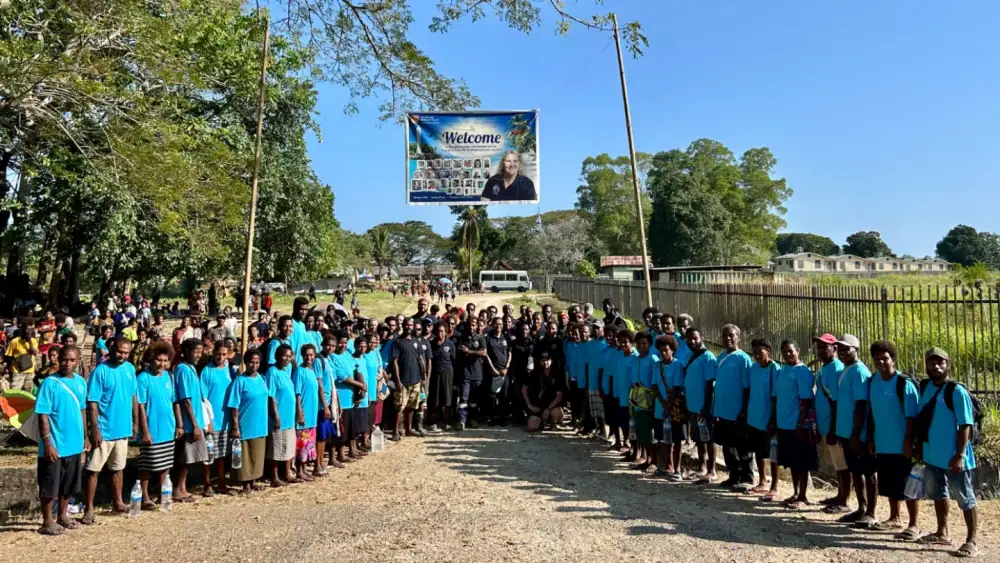
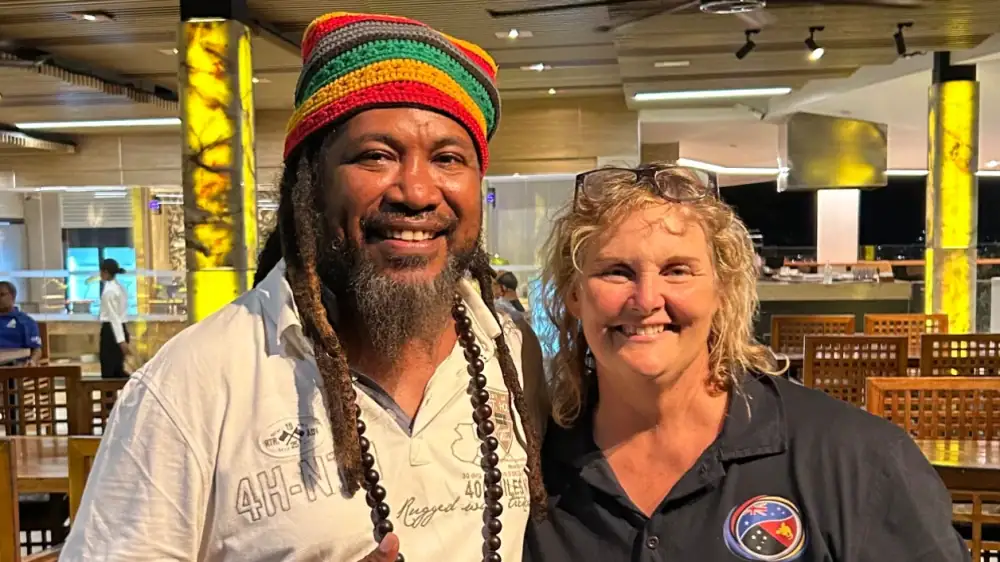
For more than twenty-six years, Sue Unicomb has cared for patients with compassion and a commitment to serving others. As a registered Nurse at the University of Canberra Hospital, she is known by patients and colleagues for her genuine care, kindness, and a willingness to go the extra mile for those she encounters. But Sue’s heart for service extends well beyond the hospital.
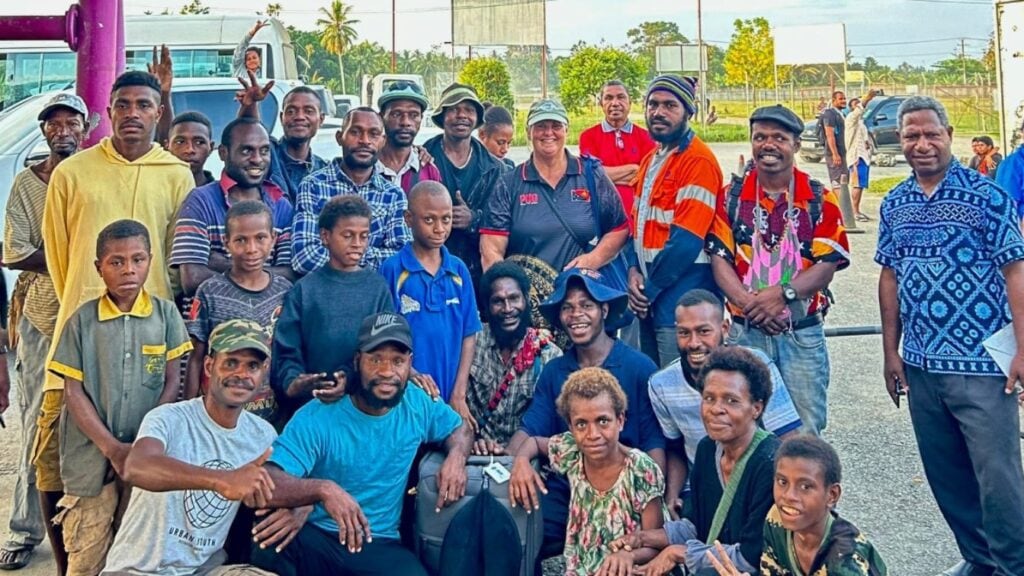
Each year, Sue spends months fundraising and planning before using her holidays to lead teams of health professionals, builders and volunteers to Papua New Guinea through Health and Hope, a mission she founded to support remote communities.
Sue’s personal connection to Papua New Guinea spans a lifetime. Born in PNG, where her father also served as a nurse, the country left an enduring mark on her life. After losing her father, Sue felt a strong desire to return, reconnect with the community and continue her father’s legacy.
Sue generously contributes her nursing skills to the projects, while also finding creative ways to raise funds. Among them is baking cookies, described by her colleagues as “to die for”, with the proceeds helping fund a hygiene facility for a remote PNG community.
For Sue, service is more than meeting a practical need; it is about people, relationships and showing Christ’s love through action. Her willingness to give her time, skills and resources to others reflects a life shaped by compassion and desire to serve wherever there is a need.
It is this lifelong commitment to service that has led to Sue being named Avondale’s 2026 Alumna of the Year. Her story is one of legacy, compassion and faith in action – a reminder that service can take many forms.
If you want to support Sue’s work in the Pacific, you can donate to her PNG mission here https://www.givesendgo.com/png-mission
- Aveline Adams
Over the weekend 21 - 22nd August, hundreds of alumni returned to Avondale for the annual highlight of the alumni calendar. This year’s Homecoming theme, invited graduates to look back at who they were, celebrate they have achieved and look forward to what we will become trusting that God continues to lead their journey.
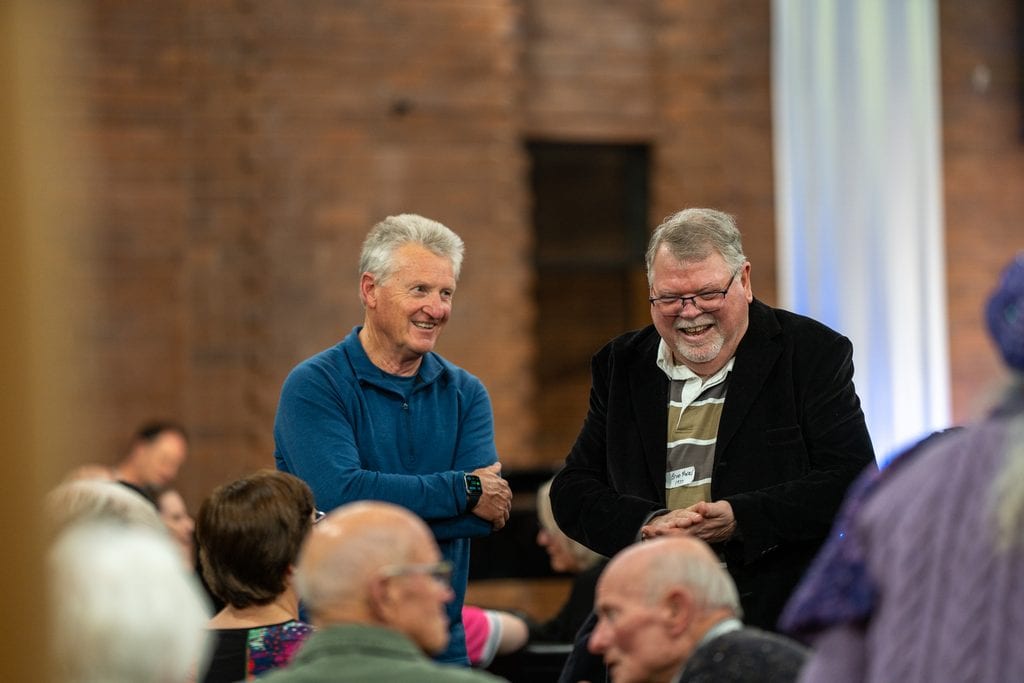
The weekend began Friday evening as around 100 alumni gathered to enjoy some sweet treats thanks to Adventist Senior Living and enjoy reuniting classmates, some of whom graduated nearly 70 years ago. Our alumni were treated to a lively singalong through decades, sharing laughs and plenty of photos, stories of chaffs, favourite teachers and dorm life that still brings smiles decades later. Two of our oldest alumni, both1956 graduates reminded us that friendships formed at Avondale truly last a lifetime, and the key to happiness is to keep moving and being thankful.
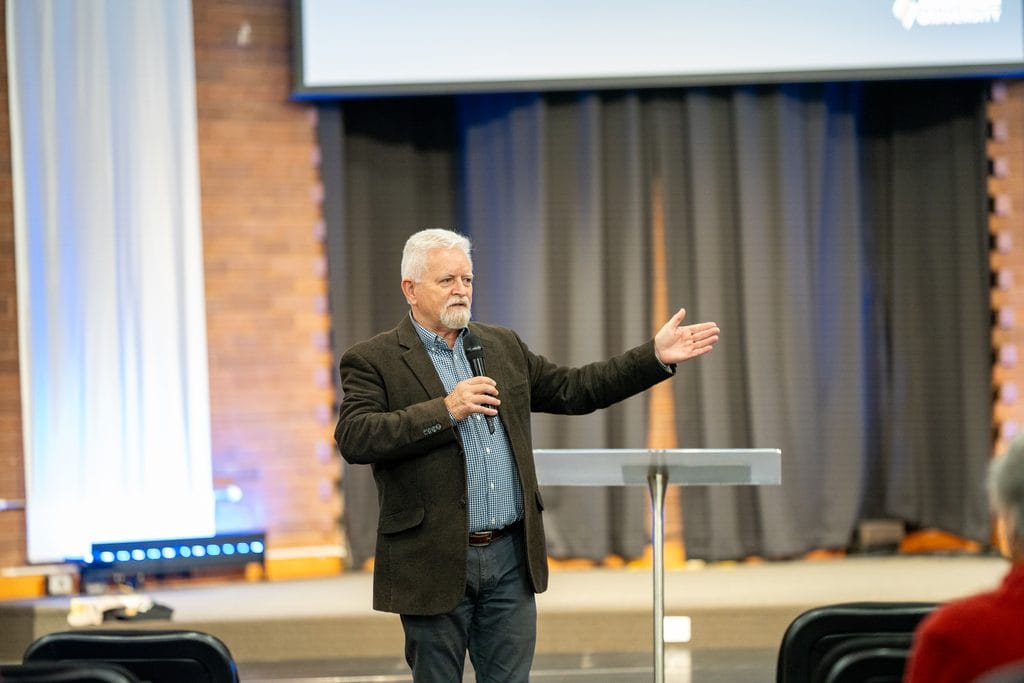
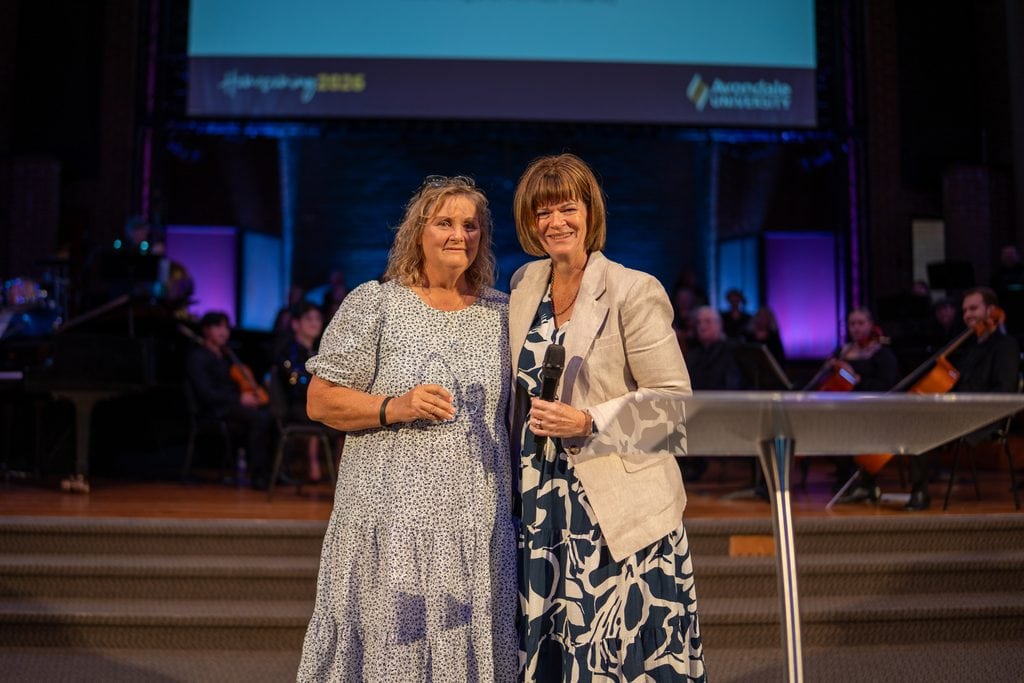
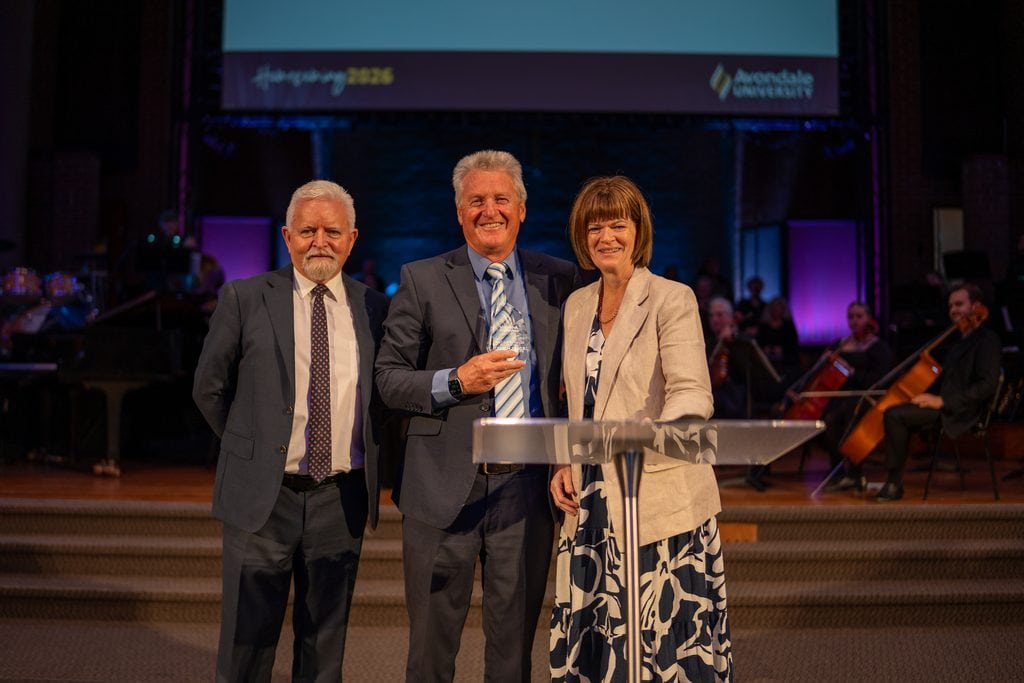
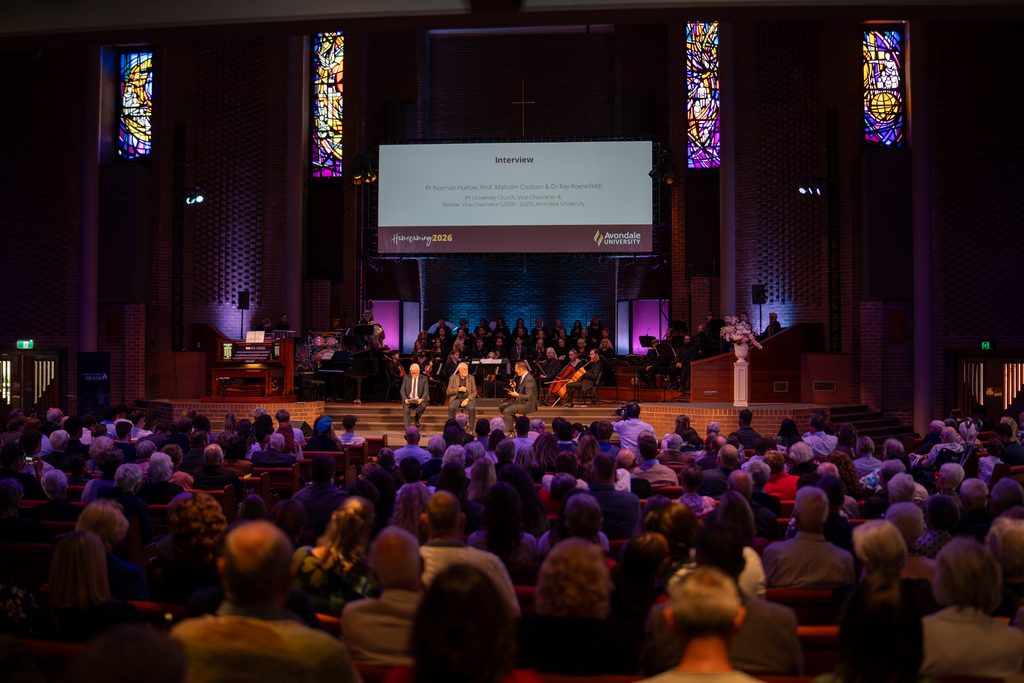
On Sabbath morning, Pr Trafford Fischer led a special Homecoming sabbath school lesson, this was followed by a beautiful worship service of song and praise featuring Dr Aleta King and the Avondale orchestra and choir. During the service, three of our prestigious awards were presented: Alumni of the Year, Dr Daryl Murdoch (1876) for his contribution and outstanding dedication to education and learning. Alumna of the Year recipient Sue Unicomb (1986) honoured for her commitment to transforming lives in Australia and in Papua New Guinea. Young Alumni of the Year, Dr Ezekiel Kingston who is celebrated for his steadfast faith and service in all aspects of his life.
Professor Malcolm Coulson shared this weekend’s message, reminding alumni, that true education is preparation for the joy of service now and a higher joy of service throughout eternity. In keeping with Avondale’s legacy of student who serve, alumni were given the opportunity to support current students through giving and funding mission project both locally and overseas.
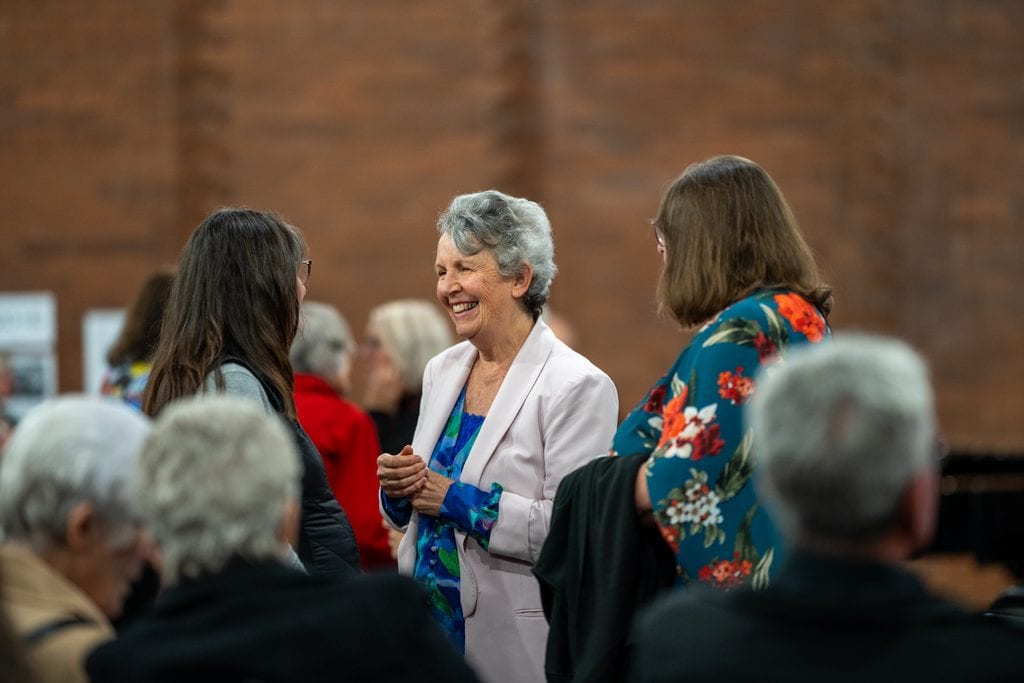
As always, the decade reunions were the highlight. Classmates were able to reconnect and remember their time at Avondale by walking around on campus, visiting old dorm rooms, classroom spaces, reminisce of years since their time at Avondale.
The final farewell for our Alumni, a unique candle-lit concert Light the Night, and presented by Avondale University, the concert and featuring the Avondale String Orchestra, the Fernleigh Orchestra and other special guests an unforgettable evening of music and atmosphere.
Homecoming remains a truly special time of year for our alumni. It has been an incredible weekend we already look forward to welcoming you back for Homecoming 2027 on 20-21 August. If you graduated in 1957, 1967, 1977, 1987, 1997, 2007, & 2017 reunions. Register now for 2027
- Aveline Adams





What Sustainability Means to the Next Generation of Business Professional
Before studying business, I thought sustainability/Corporate Social Responsibility was mainly about the commitment businesses made to positively serve their communities and protect the environment. Through my studies at Avondale, I have come to see that the responsibility extends further than that. It also involves how organisations treat their workforce, the decisions they make and whether they operate with transparency and integrity. The idea that has particularly stood out to me is that corporate responsibility starts from within an organisation, a business cannot genuinely claim to act responsibly if those same values are not reflected in how it treats its own people and conducts its operations.
Studying both Marketing and Human Resource Management has helped me see sustainability from two different but connected perspectives. From a marketing perspective, I have learned that building customer trust is important for creating sustainable, long-term relationships. For example, businesses need to think about delivering on the values and promises they communicate to customers rather than simply focusing on profit and short-term sales. From an HR perspective, I have learned that organisations have a responsibility to look after their workforce by providing the support, resources and services employees need
to perform and develop. Together, these perspectives have shown me that a business's responsibility extends to both its employees and customers, and that long-term success depends on how well it supports, values and builds trust with these groups.
As I prepare to enter the workforce, I think one of the biggest challenges for organisations will be making decisions that create long-term value, particularly when doing so may come at a greater short-term cost. Businesses can say they value sustainability or social responsibility, but I think employees and customers will increasingly expect them to demonstrate those values through their actions and decisions. For me, a genuinely responsible organisation would follow through on the values it communicates and earn the trust of its stakeholders through honest and consistent actions.
My education at Avondale has encouraged me to think about business success as more than financial performance. While profitability is important, I have come to believe that the impact a business has and the imprint it leaves on the world are also important measures of success. As I move into my career, one principle I want to carry with me is the biblical principle of service: choosing to do what is right, putting the needs of others before my own and ensuring that my work positively impacts those around me. Ultimately, I think businesses can create long-term value for people, profit and the planet when success is pursued with responsibility, integrity and a genuine commitment to serving others
Photo by Alena Koval on Pexels
Graham Su'a is a third-year Business student at Avondale University, majoring in Human Resource Management and Marketing.
Why sustainable value creation requires the whole marketing mix.
I could write you the standard sustainability article. Greenwashing is bad. Do not do it. Be authentic. You would agree, nothing would change, and we would both have wasted ten minutes.
The more useful question is structural: why do organisations that sincerely want to do the right thing so often produce a campaign instead of a change? The answer has less to do with whether leaders care than with a quiet mistake many businesses made years ago. We broke marketing into pieces, kept the loudest one, and started calling it the whole discipline.
Marketing has been mistaken for its smallest part
Ask a room of business owners what marketing is and most will describe advertising, perhaps social media. Almost none will mention product design, pricing, distribution, packaging, customer service or after-sales support, though every one of those decisions influences whether a customer buys, returns and recommends.
This is not a semantic argument. McKinsey’s global research with the Association of National Advertisers found the share of CEOs who believe marketing has a clearly defined, well-understood role fell from 90% to 70% in a single survey cycle, and that only half of chief marketing officers were involved in strategic planning at all. Organisations with a single customer- or growth-oriented executive achieved up to 2.3 times more growth than those fragmenting accountability across several roles (Bettati et al., 2025). When everyone owns the customer, no one does.
The problem also exists inside the profession. Research developed by Mark Ritson with Ipsos across 1,226 practitioners in the United Kingdom, United States, Canada and Australia found only 35% met the benchmark for foundational marketing knowledge (The Drum, 2026). A discipline that has forgotten its own scope is poorly positioned to defend its place in strategic decision-making.
Which is precisely why sustainability keeps becoming a campaign
If an organisation has already reduced marketing to promotion, handing it sustainability will reduce sustainability to promotion too. The campaign gets made. The supply chain, pricing model, packaging specification and expected product lifespan remain untouched, because those decisions sit in functions that were never in the room.
Greenwashing may look like a communication failure, but it often begins as a structural one. Deliberate deception occurs and should be treated accordingly. Many weaker claims, though, come from something more ordinary: wanting to say something responsible before building enough responsible practice to support it.
Responsibility has to shape value, not decorate it
CSR and sustainability are related but not identical. CSR concerns the responsibilities an organisation carries toward customers, employees, communities and the environment. Sustainability asks whether it can keep creating that value without exhausting the systems it depends on.
Carroll’s (1991) pyramid of corporate social responsibility places economic responsibility at its base: a business must remain viable before it can sustain its legal, ethical and philanthropic commitments. Kotler’s (1972) societal marketing concept supplies the balance: organisations should serve customers’ long-run welfare and society’s, not only their immediate wants. Together they make one point. Profit and responsibility are not opposites. Long-term value requires both.
Put plainly: can a product be considered valuable if it satisfies the customer while imposing substantial costs on workers, communities or the environment?
Keller’s (1993) work on customer-based brand equity explains why communication alone cannot answer that. Brand value lives in what customers know and believe, formed through every encounter rather than advertising alone. A repair policy is a brand association. A supplier’s labour practice becomes one the moment it surfaces. A failed delivery promise communicates something whether marketing approved it or not. Operations are brand communication.
This suggests a maturity continuum:
Communication is legitimate when it accurately reflects practice. But only value creation is durable, because it no longer depends on a campaign budget or one leader’s priorities.
Where sustainability actually lives in the marketing mix
For Australian organisations, especially small and medium businesses, this is where the issue stops being philosophical:
The commercial opportunity is real, although it should not be overstated. Products marketed as sustainable reached 25.4% of United States consumer packaged goods dollar share in 2025, with five-year compound annual growth of 10.9% against 4.0% for the total market and 2.2% for conventionally marketed products (NYU Stern CSB & Circana, 2026). That does not prove the claim caused the growth, nor that every product delivered genuine benefit. It does show responsible attributes can contribute to customer value when they are relevant, credible and supported by the offer itself.
The yoghurt test: salience without overstatement
Even after a genuine improvement, marketing retains one essential responsibility: describing it accurately.
Over three decades, yoghurt has been sold on low fat, then live cultures and gut health, and now high protein; a shift clearly visible in the Australian market (Euromonitor International, 2025). These are real attributes brought forward because shoppers currently care about them. Highlighting a genuine feature that has become salient is not deception; it helps a busy customer recognise relevant value quickly.
Now the same aisle. In November 2023 the Australian Competition and Consumer Commission accepted a court-enforceable undertaking from yoghurt manufacturer MOO Premium Foods over packaging claiming ‘100% ocean plastic’. The resin had been collected from coastal areas in Malaysia, not from the ocean. The more precise phrase ‘ocean bound plastic’ was not treated as misleading (ACCC, 2024). The difference was not whether sustainability was mentioned, but whether the claim was true, specific, substantiated and proportionate to the attribute behind it.
The problem is widespread. An ACCC sweep of 247 Australian businesses found 57% making concerning environmental claims, with food and drink among the worst at 64% (ACCC, 2023). In April 2025, the Federal Court ordered Clorox Australia to pay $8.25 million over misleading ‘50% ocean plastic’ claims used on more than 2.2 million GLAD products (ACCC, 2025).
The damage extends beyond one fine. Chen and Chang (2013) found greenwashing erodes trust directly and through consumer confusion and perceived risk. Once customers distrust the category, honest organisations lose part of their differentiator too. A competitor’s shortcut becomes a shared market cost.
Changing consumption, not simply increasing it
If marketing influences demand, can it responsibly reshape it? Kotler and Levy (1971) argued half a century ago that demarketing is a legitimate marketing task, not to make organisations weaker, but to manage demand in ways that protect long-term value.
The modern forms are practical: refill systems, trade-in programs, repair services, resale platforms, subscription servicing and maintenance education. These generate revenue from relationships, service frequency, margin and retention rather than rising unit volume alone.
White, Habib and Hardisty’s (2019) SHIFT framework offers evidence-based guidance for changing behaviour through social influence, habit formation, appeals to the individual self, feelings and cognition, and tangibility. Its value is moving sustainability away from moral instruction toward how people actually decide.
But purpose alone will not save you
Zero Co attempted the hard version. Refillable ‘forever bottles’, returnable pouches and reverse logistics embedded circularity in the business model rather than the communications plan. It reported revenue of approximately $10.8 million in FY24 and ceased trading in April 2025 after packaging failures, delivery delays and an inability to reach profitability (SmartCompany, 2025).
The lesson is not that circular models cannot work. It is that a responsible business model does not exempt anyone from getting product engineering, distribution reliability, service recovery, pricing and unit economics right. Carroll’s economic base is unforgiving: a business that cannot sustain itself ultimately serves no one.
Fragmented marketing makes both failures possible: promoting responsibility you have not built, or building it without ensuring the rest of the value proposition can hold. Purpose does not substitute for execution across the mix. It raises the stakes on it.
What this means for business
Sustainability is not a campaign, because a campaign can only describe value an organisation has already chosen to create. The real work happens earlier, in the offer, the operating model, and the decisions that determine whether people, profit and planet keep benefiting long after the advertisement has ended.
References
Australian Accounting Standards Board. (2024). AASB S2 climate-related disclosures. https://www.aasb.gov.au
Australian Competition and Consumer Commission. (2023, March 2). ACCC ‘greenwashing’ internet sweep unearths widespread concerning claims [Media release]. https://www.accc.gov.au/media-release/accc-greenwashing-internet-sweep-unearths-widespread-concerning-claims
Australian Competition and Consumer Commission. (2024, April 18). GLAD bags manufacturer in court for ‘50% ocean plastic’ claims [Media release]. https://www.accc.gov.au/media-release/glad-bags-manufacturer-in-court-for-50-ocean-plastic-claims
Australian Competition and Consumer Commission. (2025, April 14). Clorox ordered to pay $8.25m in penalties for misleading ‘ocean plastic’ claims about certain GLAD products [Media release]. https://www.accc.gov.au/media-release/clorox-ordered-to-pay-825m-in-penalties-for-misleading-ocean-plastic-claims-about-certain-glad-products
Bettati, A., Jacobs, J., Robinson, K., & Tas, R. (2025, June 16). The CMO’s comeback: Aligning the C-suite to drive customer-centric growth. McKinsey & Company. https://www.mckinsey.com/capabilities/growth-marketing-and-sales/our-insights/the-cmos-comeback-aligning-the-c-suite-to-drive-customer-centric-growth
Carroll, A. B. (1991). The pyramid of corporate social responsibility: Toward the moral management of organizational stakeholders. Business Horizons, 34(4), 39–48. https://doi.org/10.1016/0007-6813(91)90005-G
Chen, Y.-S., & Chang, C.-H. (2013). Greenwash and green trust: The mediation effects of green consumer confusion and green perceived risk. Journal of Business Ethics, 114(3), 489–500. https://doi.org/10.1007/s10551-012-1360-0
Euromonitor International. (2025). Health trends in focus for dairy products in Australia. https://www.euromonitor.com/article/health-trends-in-focus-for-dairy-products-in-australia
Keller, K. L. (1993). Conceptualizing, measuring, and managing customer-based brand equity. Journal of Marketing, 57(1), 1–22. https://doi.org/10.1177/002224299305700101
Kotler, P. (1972). What consumerism means to marketers. Harvard Business Review, 50(3), 48–57. https://www.kellogg.northwestern.edu/academics-research/research/detail/1972/what-consumerism-means-to-marketers
Kotler, P., & Levy, S. J. (1971). Demarketing, yes, demarketing. Harvard Business Review, 49(6), 74–80.
NYU Stern Center for Sustainable Business, & Circana. (2026). Sustainable Market Share Index 2025: Sustainability in U.S. CPG — Inside the consumer mindset. New York University. https://www.stern.nyu.edu/experience-stern/about/departments-centers-initiatives/centers-of-research/center-sustainable-business/research/csb-sustainable-market-share-index
SmartCompany. (2025, April 23). Australian circular economy pioneer Zero Co is shutting down. https://www.smartcompany.com.au/startupsmart/zero-co-closing-down-mike-smith-sustainability-startup/
The Drum. (2026, March 23). Ritson calls for end to ‘marketing savant myth’ as Ipsos lays bare knowledge gaps. https://www.thedrum.com/news/ritson-calls-for-end-to-marketing-savant-myth-as-ipsos-lays-bare-knowledge-gaps
White, K., Habib, R., & Hardisty, D. J. (2019). How to SHIFT consumer behaviors to be more sustainable: A literature review and guiding framework. Journal of Marketing, 83(3), 22–49. https://doi.org/10.1177/0022242919825649
Photo by ready made on Pexels
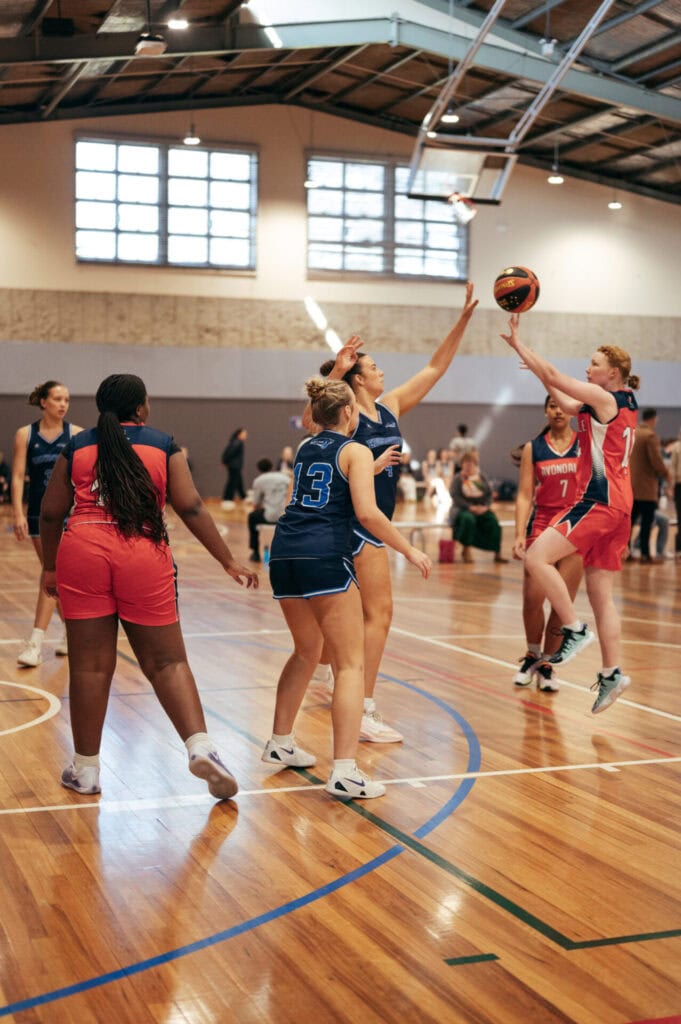
The Adventist National Games (ANG) once again brought together students from across Australia for an unforgettable week of competition, connection and faith. With over 370 participants from 15 Adventist schools gathering at Avondale University for basketball and Avondale School for volleyball, this year's tournament was about far more than the final score. It was a celebration of community, character and the shared values that unite Adventist education.
Students displayed an exceptional standard of basketball and volleyball. Every match showcased skill, determination and sportsmanship, with players giving their best while encouraging teammates, respecting officials and supporting their opponents. It was inspiring to see fierce competition on the court followed by handshakes, conversations and laughter as friendships were formed across schools.
The tournament began with an inspiring Opening Ceremony featuring keynote speaker David Reid (FIBA Oceania President and FIBA Worldwide Vice President). Drawing on his experience in sport and leadership, Mr Reid challenged students to embrace the qualities that define great teams: teamwork, leadership and resilience. His message reminded everyone that success is not measured solely by trophies, but by the way we lift one another up, persevere through challenges and lead with integrity.
Throughout the week, students also gathered for worship, where Pr Chappo shared powerful and uplifting messages about what life can be like when we choose to follow of Jesus. His talks encouraged students to recognise that while sporting achievements are rewarding, the greatest victory is found in living a life centred on Christ.
One of the highlights of ANG was the atmosphere created by the students themselves. Whether cheering enthusiastically from the sidelines, encouraging an injured opponent or sharing meals and conversations in the dorms, participants demonstrated what it means to build genuine community.
One student described ANG as, "Super welcoming, fun and enjoyable atmosphere where you are able to talk to anyone without being judged."
Another student shared, "I had lots of fun at my time at ANG. I enjoyed making friends and touring the campus. I enjoyed meeting people through the dorms and after basketball games. I had lots of fun and will definitely be back next year."
Teachers were equally enthusiastic about the impact of the event. One described ANG as "A MUST NOT MISS EVENT OF THE SCHOOL YEAR! For our Adventist schools this is an incredible opportunity for our students to compete, grow closer together as a whole ASA family and closer to God. Please do not miss ANG 2027 and beyond."
The Adventist National Games remind us that sport has the power to teach lessons that last far beyond the court. Teamwork teaches us that we are stronger together. Resilience helps us grow through both victory and defeat. Leadership inspires us to serve others before ourselves. Most importantly, the tournament demonstrated that when Christ is at the centre of our lives, competition becomes an opportunity to encourage, include and inspire those around us.
As the final games concluded and students returned home, they carried with them far more than medals or memories of great matches. They left with new friendships, renewed faith and a deeper appreciation that the greatest wins in life are measured not by the scoreboard, but by the character we build and the lives we influence.
We look forward to seeing our Adventist school community come together again for the Adventist National Games in 2027.
- Karlie Fraser

Not long ago, sustainability reporting was largely a voluntary exercise. Today, it sits firmly on boardroom agendas, with organisations publishing increasingly detailed accounts of their environmental, social and governance (ESG) performance, sustainability strategies and future commitments. Yet reporting sustainability and managing sustainability are not the same thing.
The Rise of Sustainability Reporting
The growing emphasis on sustainability disclosures has undoubtedly improved transparency. Investors, regulators, employees and customers now have greater visibility into how organisations manage environmental and social issues. The introduction of global reporting standards by the International Sustainability Standards Board (ISSB) has further strengthened expectations around consistency, comparability and accountability in sustainability reporting (IFRS Foundation, 2026).
As a result, sustainability reporting has become an essential component of corporate communication. Organisations are increasingly expected to disclose not only their financial performance, but also how they manage issues such as climate risk, resource consumption, workforce diversity and community impacts. These disclosures provide valuable insights into an organisation's priorities and long-term ambitions.
The Gap Between Reporting and Reality
However, an important question remains: does reporting sustainability automatically make an organisation more sustainable? For many organisations, the answer is no. A company may publish ambitious climate targets, highlight diversity initiatives and celebrate community partnerships, yet continue to make investment and operational decisions based primarily on short-term financial outcomes. In these situations, sustainability exists within the report but not necessarily within the decision-making process.
The distinction is critical. Sustainability reporting communicates intentions and performance, but it does not automatically influence behaviour. The true test of an organisation's sustainability commitment occurs when leaders face difficult decisions involving profitability, environmental impacts and social responsibilities. It is these decisions, rather than the report itself, that ultimately shape outcomes.
Moving from Disclosure to Decision-Making
The challenge for organisations is to move sustainability beyond disclosure and embed it within management processes. Sustainability creates value only when it influences how organisations allocate resources, evaluate projects, manage risks and define success.
Increasingly, leading organisations recognise that long-term business performance depends on more than financial results alone. Climate change, resource constraints, regulatory pressures and changing stakeholder expectations create risks and opportunities that can significantly affect organisational performance. Integrating sustainability considerations into strategic planning and operational decision-making helps organisations build resilience and improve their capacity to create long-term value.
This shift represents a move from asking, "What should we report?" to asking, "How should sustainability information influence our decisions?"
The Critical Role of Accounting
Accounting plays a central role in this transition. Traditionally focused on measuring financial performance, accounting is increasingly being used to capture environmental and social impacts alongside economic outcomes.
According to the International Federation of Accountants (IFAC, 2026), accountants are uniquely positioned to help organisations integrate sustainability into planning, performance measurement and strategic decision-making. Their expertise in measurement, assurance and governance enables organisations to generate reliable sustainability information that supports better decisions.
For example, organisations can use accounting systems to monitor carbon emissions, energy consumption, waste generation, employee wellbeing and other sustainability-related metrics. When these measures become part of routine management reporting, sustainability is no longer treated as a separate reporting activity. Instead, it becomes an integral part of how organisational performance is assessed and managed.
What Gets Measured Gets Managed
One of the most powerful drivers of organisational behaviour is performance measurement. If managers are evaluated solely on short-term financial targets, financial outcomes will inevitably dominate decision-making. However, when sustainability objectives become part of performance evaluations and executive remuneration, organisational priorities begin to shift.
Many leading organisations are embedding sustainability metrics into governance frameworks, risk management systems and executive incentive structures. This approach recognises a simple but powerful principle: what organisations measure and reward ultimately drives behaviour.
By aligning incentives with sustainability objectives, organisations create stronger accountability and encourage managers to consider long-term environmental and social impacts alongside financial results.
Creating Long-Term Value
The World Economic Forum (2026) argues that sustainable growth requires organisations to rethink how value is defined and measured. Long-term success depends not only on profitability, but also on resilience, innovation, stakeholder trust and the ability to adapt to changing conditions. Organisations that integrate sustainability into everyday decision-making are often better positioned to identify emerging risks, respond to stakeholder expectations and maintain their competitive advantage. Rather than viewing sustainability as a compliance requirement, they see it as a strategic capability that supports long-term value creation.
Sustainability reporting is an important starting point, but it is not the destination. Transparency matters, and reporting plays a critical role in communicating organisational commitments and performance. However, reporting alone does not create impact. The organisations that will thrive in the coming decade are unlikely to be those producing the most polished sustainability reports. Instead, they will be those that use sustainability information to guide decisions, shape strategy and drive organisational behaviour. Reports communicate intentions, decisions create impact.
Implications for Business
References
IFRS Foundation. (2026). ISSB Updates and Guidance.
International Federation of Accountants (IFAC). (2026). Into New Spaces: How the Accounting Profession is Evolving.
World Economic Forum. (2026). Coming Together: Sustainable Growth Means Rethinking Value.
Photo by Thirdman on Pexels
The most revealing thing about how organisations talk about sustainability is the word "initiative." An initiative is something you launch, resource for a while, congratulate yourself on, and quietly retire when priorities shift. It sits alongside other initiatives, competing for attention and budget. The moment sustainability is framed this way, as one project among many, an organisation has already told itself that this isn’t any more important than anything else. And it is. This is the planet we live on, the place our children will live when we leave – it isn’t trialling standup desks or a brand partnership.
For those of us in communications, this is not a peripheral concern. Communication is sometimes seen as the packaging around a strategy - but it is actually where the value of a strategy is decided and it's sincerity (or lack thereof) becomes exposed. So, the question I am posing here is one that crosses every business school discipline and every part of an organisation: how can we create long term value for people and make a profit that doesn’t cost the earth? And how do we embed sustainability rather than treating it as just another temporary initiative.
The honesty problem
Let me start with something that can be quite uncomfortable. Most of the anxiety around sustainability communication comes from an unspoken tension: the people writing these messages often privately believe things are getting worse, while the messages themselves are relentlessly upbeat. Emissions continue to rise. Biodiversity continues to collapse. The gap between what climate science demands and what economies are delivering is not narrowing and if we are honest when we talk about, the discussion can be bleak.
Pretending otherwise produces a particular kind of communication that audiences have learned to distrust, glossy, aspirational taglines and photos of wind turbines that have nothing to do with the organisation itself. Greenwashing is not usually a lie in the basic sense, it is more of a wild exaggeration of a small, good thing, communicated as though it were large.
The instinct in response is either cynicism or forced optimism. I want to argue for another way – honest constructiveness. People are complex enough to hold two things at once. Yes, the trajectory of planetary change is alarming, but yes, meaningful action is possible and worth doing well. Despair and denial are actually the same move; both are ways of choosing not to act. Communicating well means refusing that move on your audience's behalf.
Value, and who counts as a stakeholder
Here I want to be careful, because I am about to sneak in an idea that some people will find really natural and others will find quietly radical, so let me say it plainly rather than dress it up. The dominant framework in most business education treats the firm's obligations as running primarily to its shareholders, with everything else (workers, communities, the environment) as a constraint to be managed and minimised. The "triple bottom line" of people, profit, and planet was an attempt to widen that lens. But seriously – profit was still the real bottom line.
A more serious position, and one with a long intellectual lineage, is that value is created collectively and ought to be accounted for collectively. The worker who builds the product, the community that hosts the factory, the ecosystem that absorbs the waste, these are not externalities to the value equation. They are participants in it. When we speak of "long-term value for people, profit, and the planet," the interesting move is to stop ranking those three and start asking what it would mean to treat them as genuinely co-equal. We may even need to prioritise the planet if we want to keep living on it.
From initiative to identity
So, what does it look like when sustainability stops being an initiative? The shift is from something an organisation does to something an organisation is, and communication is how you can tell the difference.
An initiative generates announcements. An identity generates consistency. If sustainability is genuinely constitutive of an organisation, you see it even in all the boring places: in how procurement decisions are justified, in what gets measured in the quarterly review, in whether your bonus survives a decision that was good for the planet and merely acceptable for the quarter.
For communicators, this has a concrete and slightly deflating implication. The most important sustainability communication is internal, not external. It is the framing that shapes how a mid-level manager understands a trade-off at 4pm on a Tuesday. External communication that runs ahead of internal reality is precisely what audiences have been trained to detect and ignore. The credibility of the message to the outside world is downstream of whether the organisation actually believes it on the inside.
Here are a few principles worth holding onto:
Let’s go back to where we started for a minute, because I don't want to suggest you have to wallow in doom. The reason to be positive is not that things are fine. It is that hopelessness is self-defeating. The historical record is reasonably clear that large-scale change, when it comes, tends to arrive faster than expected. The relevant question for any organisation and communicator, is not whether the situation is dire, but whether you intend to be part of the response or part of the inertia. A communications discipline that can help organisations tell the truth about the stakes and remain capable of action is doing something genuinely valuable, in the fullest sense of that word.
References:
Centola, D., Becker, J., Brackbill, D., & Baronchelli, A. (2018). Experimental evidence for tipping points in social convention. Science, 360(6393), 1116–1119. https://doi.org/10.1126/science.aas8827
Global Carbon Project. (2025). Global carbon budget 2025. https://globalcarbonbudget.org/fossil-fuel-co2-emissions-hit-record-high-in-2025/
United Nations Environment Programme. (2025). Emissions gap report 2025: Off target — Continued collective inaction puts global temperature goal at risk. https://www.unep.org/resources/emissions-gap-report-2025
Way, R., Ives, M. C., Mealy, P., & Farmer, J. D. (2022). Empirically grounded technology forecasts and the energy transition. Joule, 6(9), 2057–2082. https://doi.org/10.1016/j.joule.2022.08.009
World Wide Fund for Nature. (2024). Living planet report 2024: A system in peril. WWF. https://livingplanet.panda.org/
Photo by Thirdman on Pexels